Cell-Based Halal
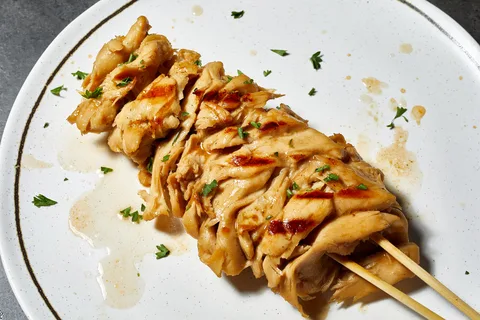
Islamic scholars from around the world have put out a few statements over the past year, including one in January 2024, in which they commend the practice of producing cultivated meat, acknowledging it as halal. Seeing cell-based meat as halal is a great mix of old traditions and new tech. It means we can keep our food habits up to date with the latest science without breaking religious rules. This method provides better control over how food is made, making sure it’s clean and right according to halal laws. It’s also good for the planet and the animals. Plus, it opens up new ways to make sure everyone has enough meat, in a kinder, more efficient way. This fits well with Islamic teachings about caring for others and the Earth.
Source: businesswire
In my view, some open questions remain:
- At what point does a cell line, cultivated far from its origin, cease to be an extension of its original host?
- Is the identity of a cell defined by its genetic lineage or by the context of its existence and function?
- Can the process of replication and differentiation sever the ontological ties between a cell line and its original source?
- How do we navigate the ethical terrain when the life of a cell transcends its biological origins to become something entirely new?