Europe's Crossroads in Novel Food Innovation and Regulation
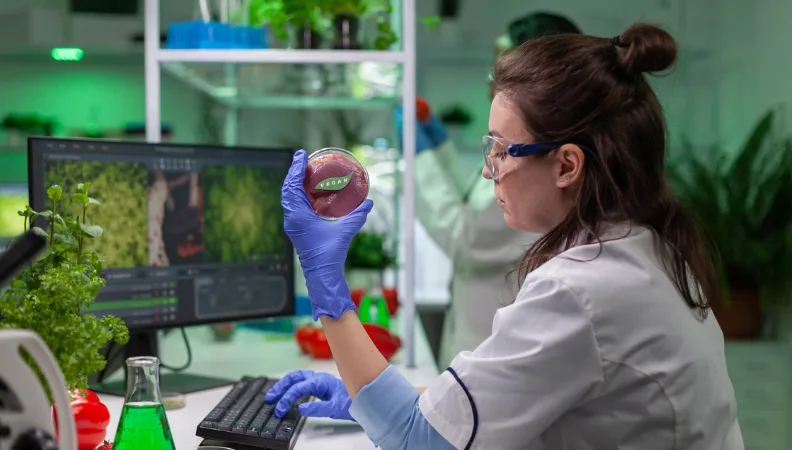
In 2023, Science|Business highlighted the need for increased funding from the European Union for alternatives to conventional meat. While the EU wants to meet its sustainability goals, it has to consider diversifying protein sources through research in non-traditional proteins like lab-grown meat and plant-based options. SB notes the low investment in alternative protein research despite the potential. Policymakers must leverage partnerships and public financial mechanisms, which continue to rely largely on private investment. I’d think infrastructure support for startups and engagement with traditional food processors are essential for scaling production and enhancing consumer acceptance. Still, there seems to be a blind spot, which leaves novel food startups vulnerable. To ensure regulatory procedures support developing and commercialising alternative proteins, and to keep pace with global competitors, what measures are being considered?
Source: Call for more EU funding for meat alternatives
In 2024, Science|Business reports that Europe’s innovative food sector is witnessing challenges with the EU’s novel food approval process. This process is considered less efficient than those of other regions, such as Singapore and the US. “Europe is home to some of the world’s most innovative food companies creating alternative proteins, but many are choosing to launch their products first in the US or Singapore.” Companies like Meatable and Formo, as well as innovators in France and Italy, want to launch their products outside Europe due to faster and clearer approval processes in Singapore and the US. According to SB The European Food Safety Authority (EFSA) is reported to be understaffed, leading to delays in the review process, despite offering pre-submission advice and engaging in dialogue with stakeholders. Industry alliances and companies are advocating for more resources for EFSA, clearer guidelines, and support in the application process. The question remains, to prevent further migration of Europe’s food tech companies to more accommodating regulatory environments, how will the EU intend to address the current challenges around the commercial scaling of innovative food technologies?
Source: EU novel food start-ups call for more clarity in approval process