What if all our meat were grown in a lab?
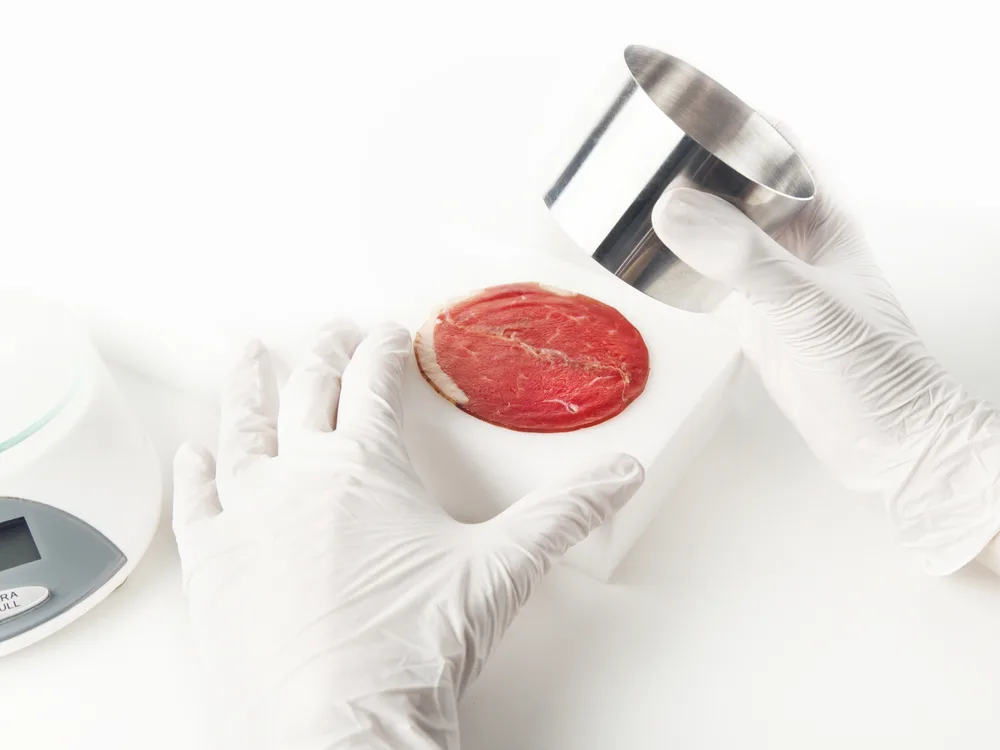
European Parliament: What if all our meat were grown in a lab?
The environmental impact of livestock production cannot be understated. It’s a concern because of greenhouse gas emissions, its role in land degradation, and chemical fertiliser and methane pollution. This form of production demands considerable resources, including vast amounts of water and land, contributing heavily to deforestation, the loss of biodiversity, and water pollution. The anticipated global food production needs to rise by 2050, driven by population growth and increasing meat consumption, especially in developing countries.
Cell-based meat (CBM) meat offers a promising solution. By cultivating meat in controlled environments through stem cell technology, we can reduce the environmental footprint of livestock farming. The transition towards lab-grown meat could affect the EU’s agricultural sector, impacting economies, employment, and the traditional-farming communities. To ensure the sector is prepared for change, these impacts must be understood, supporting farmers and communities in this transition towards a sustainable food system within the EU.
- To improve efficiency, scalability, and cost-effectiveness, the EU should allocate funds for R&D. This could involve supporting startups and established companies, universities and research institutions.
- Particularly the EU must support rural development projects, which provide alternative income sources for the affected communities.
The adoption of CBM hinges the health benefits and public acceptance. It promises to lower saturated fat intake, eliminate antibiotic use, and reduce disease transmission risks. Simultaneously, educating the public and addressing misconceptions are vital to changing dietary habits and ensuring acceptance. Embracing lab-grown meat involves merging health advantages with efforts to inform consumers.
Policy-making will be the most influential tool to address the marketing and corporate affairs gaps, which CBM startups face against animal agriculture. The EU can aid this shift by enacting policies for a level playing field. Measures should include clear regulatory standards for the safety and quality of lab-grown meat, streamlined product approval processes, financial incentives like grants and tax breaks for innovation, and government-funded public awareness campaigns to highlight CBM’s environmental and ethical advantages.